Artemis III
Rocket Project
My thermodynamics of materials course had a final project with the option to perform theoretical calculations or build a model of a thermodynamic project. My team chose to build a demo rocket and compare fuel types.
-
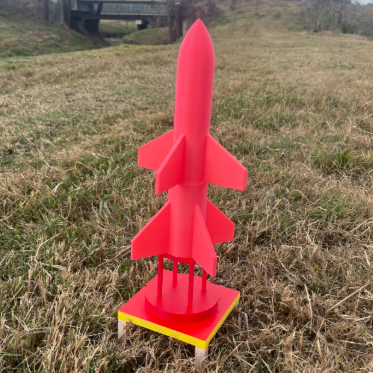
Creating the Body
We created a main rocket body to house a PVC pipe with our fuel. The rocket body itself was successful, but our ideas for a nozzle and a 2-tiered reaction were not feasible within the time frame due to our struggle in lighting our test rockets. We did create a 2-reaction rocket, but due to excessive wind on test day we were not able to get both fuses lit in a short enough time frame.
-
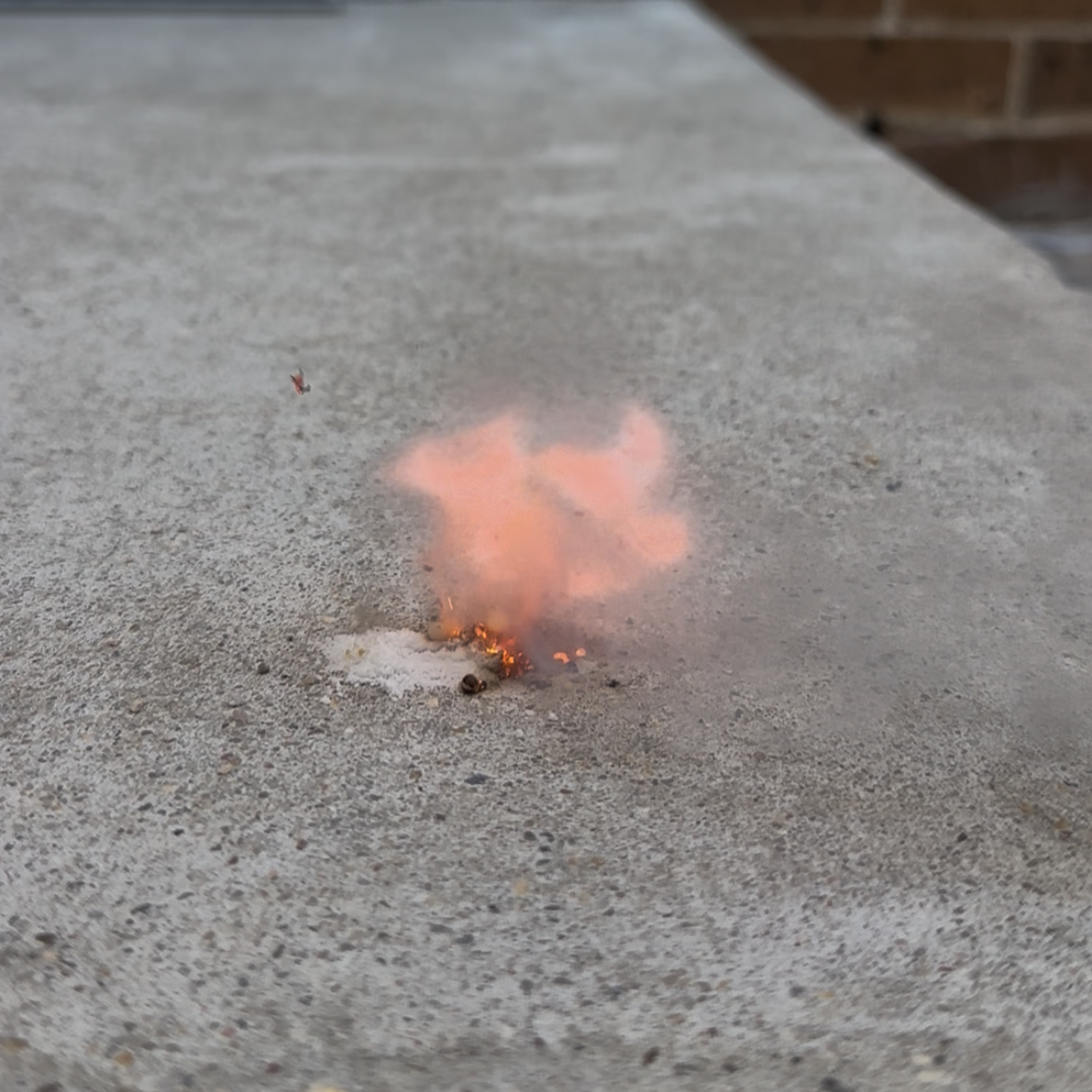
Creating the Fuel
We aimed to create homemade mini-rocket fuel using sugar and potassium nitrate. Without extra grinding, this powder was not reactive enough to create thrust. With ground powder and the right fuse, we were able to get a better reaction. Our comparison fuel was gunpowder, which we considered more standard than homemade rocket fuel. We created comparison calculations for the two fuels, and tested both.
-
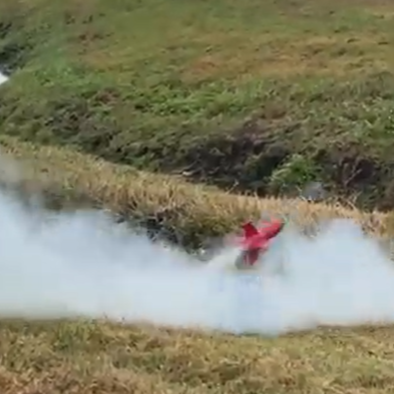
Testing the Rocket
We tested 7 total mini-rockets during this project, with varying success. Our main setback during testing was the ignition process. The only fuse sold outside of fireworks stores was slow-burn fuse, which requires an open flame to travel up the fuse. The flame could not stay lit long enough to ignite our fuel because it entered a small PVC pipe, which limited oxygen. Once we got a cannon fuse, our tests were much more successful.
-
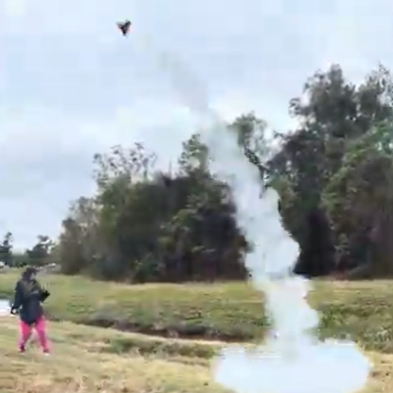
Results and Comparison
On our very last testing day, we did get both types of fuel off of the ground. Our homemade fuel did not get very far, but it did produce enough thrust to get off of the launch pad. Our gunpowder fueled rocket went too high for us to get an accurate height measurement, but I would estimate it went higher than 30ft. Our calculations were consistent with these results: both fuels had similar slopes of enthalpy and entropy, but the gunpowder was an order of magnitude stronger in entropy.